
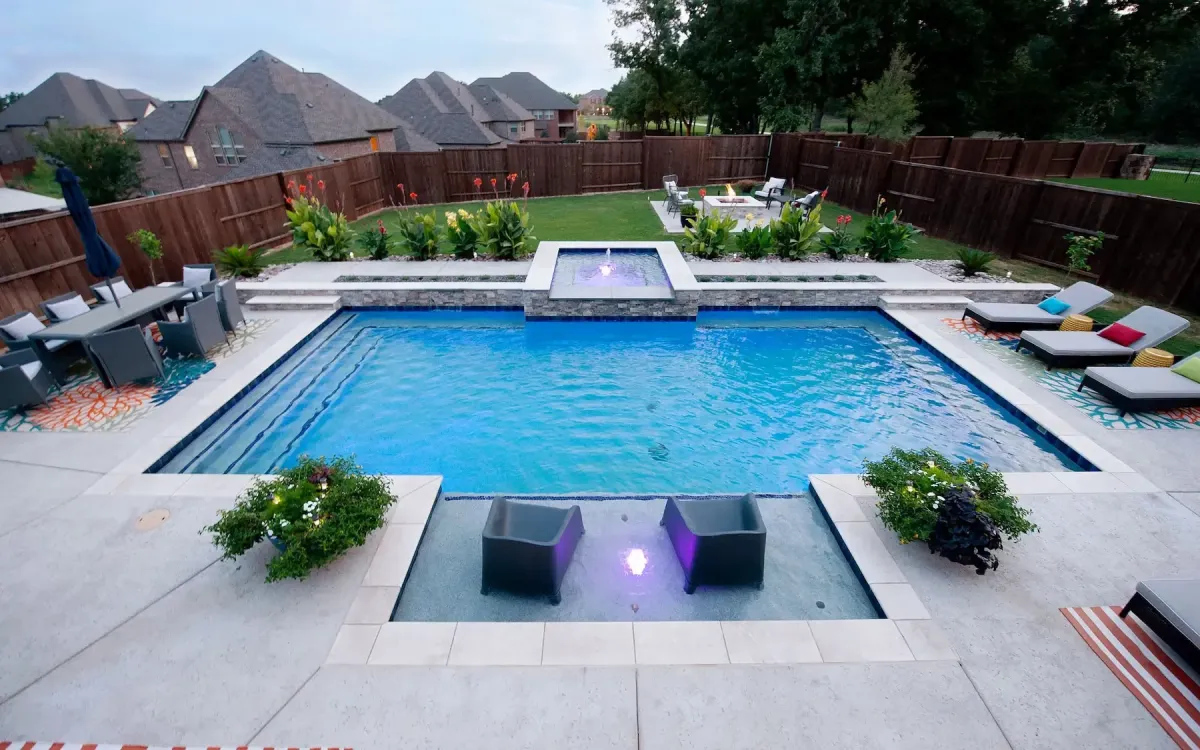
How to Ensure Optimal Water Quality for Your Pool Opening in Watermill, NY and Surrounding Areas
Opening your pool for the season requires more than just removing the cover and filling it with water. Ensuring optimal water quality is essential to provide a safe, clean, and enjoyable swimming experience. In Watermill, NY, where seasonal changes can affect water conditions, proper preparation and testing help prevent algae growth, bacterial contamination, and chemical imbalances. Taking the right steps before opening your pool ensures that it is ready for safe use all season long.
Why is pool water testing important before opening?
Testing pool water helps determine the current chemical levels, including pH, chlorine, alkalinity, and calcium hardness. Imbalanced water can cause irritation to swimmers, damage pool surfaces, and reduce the effectiveness of sanitizers. Early testing allows pool owners to make adjustments before adding chemicals and starting regular maintenance.
How should you clean your pool before opening?
Before filling or using the pool, remove leaves, debris, and dirt from the pool floor and walls. Vacuuming and brushing the surfaces prevent algae buildup. Cleaning the filter system is also essential for proper circulation and water clarity. Thorough cleaning ensures that the pool is free from contaminants when the season begins.
What is the ideal pH level for pool water?
The optimal pH level for pool water is typically between 7.2 and 7.6. Water outside this range can cause skin and eye irritation, reduce sanitizer effectiveness, and corrode pool equipment. Adjusting pH before opening ensures that chlorine and other chemicals work efficiently to maintain water quality.
Why is balancing alkalinity important?
Total alkalinity acts as a buffer for pH, preventing sudden fluctuations. Proper alkalinity levels (usually 80–120 ppm) help maintain stable water chemistry and reduce scaling or corrosion. Balancing alkalinity before adding other chemicals improves overall water stability.
How much chlorine should be added for pool opening?
Chlorine is the primary sanitizer for pool water and helps eliminate bacteria and algae. Shock treatment is often recommended when opening a pool to quickly raise chlorine levels. Proper dosing ensures effective sanitization while avoiding over-chlorination, which can irritate swimmers.
Do you need to check calcium hardness and stabilizer levels?
Yes, calcium hardness and cyanuric acid (stabilizer) levels should be tested to protect the pool surface and maintain chlorine effectiveness. Low calcium can lead to corrosion, while high levels may cause scaling. Stabilizer helps prevent chlorine from breaking down too quickly due to sunlight exposure.
How can circulation and filtration impact water quality?
Running the pool pump and filter system helps distribute chemicals evenly and remove debris from the water. Proper circulation prevents stagnation and reduces the risk of algae growth. Cleaning or replacing filter cartridges ensures optimal water flow and clarity.
When should pool owners add algaecides or clarifiers?
Adding algaecides or water clarifiers at pool opening can help prevent early algae growth and improve water clarity. These chemicals are especially useful if the pool was covered for several months. Using them as part of a balanced chemical plan ensures clean and clear water.
What safety precautions should be taken during pool opening?
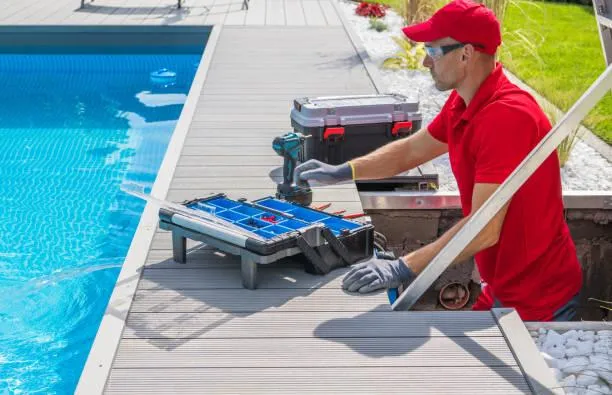
Wear protective gloves and goggles when handling pool chemicals. Always add chemicals to water—not the other way around—and follow the manufacturer’s instructions. Proper safety precautions prevent accidents and chemical mishaps during the pool preparation process.
How often should water be tested after opening the pool?
Once the pool is open, water should be tested at least 2–3 times per week during the early season. Regular testing helps maintain proper chemical balance, prevent algae growth, and ensure safe swimming conditions. Consistent monitoring is key to keeping water clean and healthy.
Final Thought
Ensuring optimal water quality during pool opening in Watermill, NY requires careful preparation, testing, and chemical balancing. By following proper cleaning steps, adjusting water chemistry, and monitoring the pool regularly, homeowners can enjoy safe, clear, and inviting water all season long. Investing time and attention at the start of the season reduces maintenance problems and prolongs the life of the pool.
Can I open my pool without testing the water?
Testing is crucial. Unbalanced water can cause irritation, damage pool surfaces, and reduce sanitizer effectiveness.
How long should I run the pump after opening?
Run the pump continuously for 24–48 hours after opening to ensure proper circulation and chemical distribution.
Is shocking the pool necessary every season?
Yes, a shock treatment at opening helps remove contaminants and prepares the pool for safe use.
Can I use household bleach instead of pool chlorine?
Regular household bleach is not recommended due to additives. Use chlorine products formulated for pools.
How often should I clean the pool during the first weeks?
During the first few weeks, debris removal, vacuuming, and filter checks should be done 2–3 times per week until water stabilizes.
Address: 59 Kerry court
Hamptons NY 11901
Phone: 989-474-3548
Email: [email protected]