
Essential Closing Pool Safety Checklist for Mattituck, NY Homeowners & Surrounding Areas
Closing your swimming pool properly at the end of the season is essential for safety, cleanliness, and long-term equipment protection. Homeowners in Mattituck, NY and surrounding areas should follow a careful pool-closing process to prevent damage during colder months. A well-maintained closing routine keeps the water system safe, protects pool components, and ensures an easier reopening when warmer weather returns.
Why Is It Important to Close Your Pool Properly Before Winter?
Closing your pool the right way protects it from freezing temperatures, debris buildup, and equipment damage. Water left untreated during winter can cause algae growth and staining. Proper closing also helps prevent cracked pipes, damaged pumps, and costly repairs. When done correctly, reopening your pool next season becomes faster and more affordable.
When Is the Best Time to Close a Pool in Mattituck?
The ideal time to close a pool is when temperatures consistently drop below about 65°F. Closing too early can lead to algae growth because warmer water encourages bacteria and algae activity. Waiting for cooler weather keeps the water stable and helps pool chemicals remain effective for longer periods during the off-season.
What Safety Checks Should Be Done Before Pool Closing?
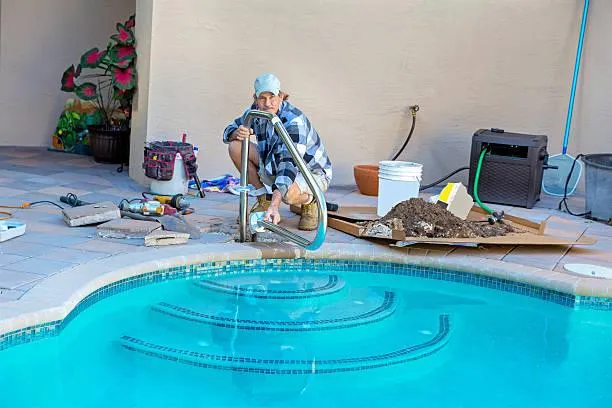
Before shutting down your pool, inspect all major components including pumps, filters, ladders, drains, and pool lights. Look for cracks, leaks, or worn parts that may worsen during winter. Fixing small issues before closing prevents them from becoming major problems when the pool is reopened.
How Should Pool Water Be Balanced Before Closing?
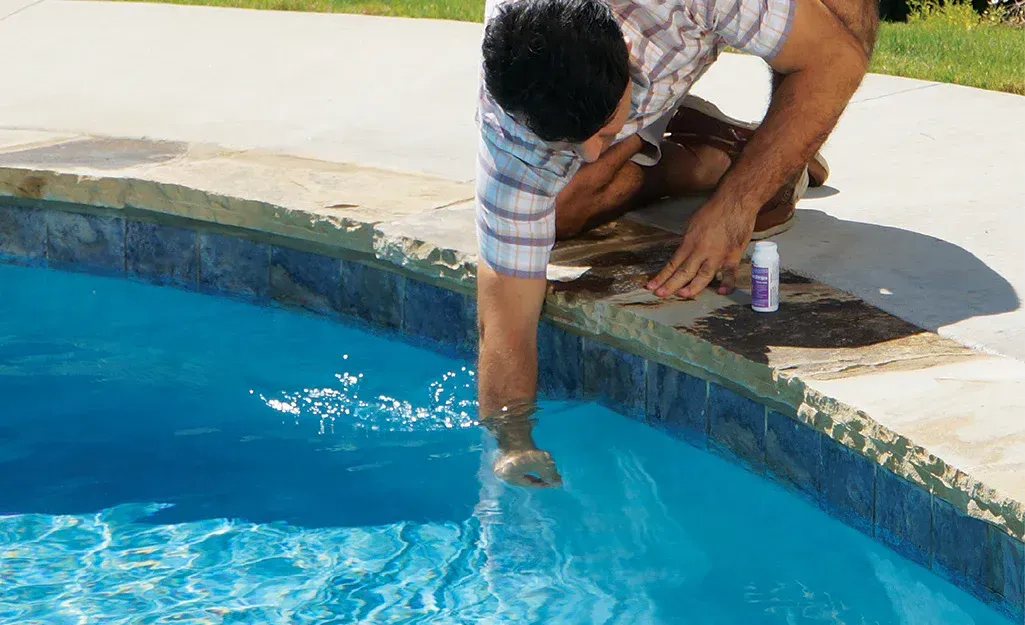
Balancing the water chemistry is one of the most important steps in pool closing. The pH, alkalinity, and calcium hardness should all be adjusted to recommended levels. Proper chemical balance prevents corrosion, staining, and algae growth while the pool is covered for months.
Why Is Cleaning the Pool Essential Before Covering It?
Leaves, dirt, and debris left in the pool can cause staining and algae growth during the winter. Thoroughly vacuuming the pool, brushing the walls, and skimming the surface removes contaminants that could damage the pool structure or water quality while the pool is closed.
What Should Be Done With Pool Equipment During Closing?
Pumps, heaters, and filtration systems should be cleaned and properly drained before winter storage. Water left inside equipment can freeze and expand, which may crack internal parts. Many homeowners also remove smaller components and store them in a dry area to extend their lifespan.
How Do Pool Covers Improve Safety During Winter?
A strong and properly secured pool cover prevents debris from entering the water and adds an important layer of safety. It also reduces the risk of accidents involving children or pets. Safety covers are designed to handle weight and protect the pool area throughout the winter season.
Why Is Lowering the Water Level Important?
Lowering the water level slightly helps prevent freezing damage around the pool’s skimmer and plumbing lines. If water freezes and expands inside these areas, it can crack pipes or fittings. Reducing the water level provides extra protection during freezing temperatures.
Should Pool Lines Be Blown Out Before Winter?
Yes, blowing out the pool plumbing lines removes any remaining water that could freeze and cause pipe damage. After the lines are cleared, antifreeze designed specifically for pools is often added for additional protection against freezing conditions.
How Can Homeowners Protect Pool Accessories?
Accessories such as ladders, diving boards, and handrails should be removed, cleaned, and stored in a dry place. Winter weather can cause rust or damage if these items remain exposed. Proper storage keeps them in good condition for the next swimming season.
Final Thoughts
Closing a swimming pool requires careful attention to safety, water chemistry, and equipment protection. Homeowners in Mattituck, NY and nearby communities benefit from following a detailed pool-closing checklist to avoid winter damage and expensive repairs. With proper preparation, pools remain protected through the colder months and are easier to reopen when summer arrives.
How long does it take to close a pool properly?
Most pool closings take between two and four hours depending on the pool size and the amount of preparation needed.
Can I close my pool without professional help?
Yes, but many homeowners prefer professional services to ensure all equipment and plumbing are properly winterized.
What type of pool cover is best for winter?
Safety covers or heavy-duty winter covers are recommended because they provide protection against debris and accidents.
Should chemicals be added before covering the pool?
Yes, winterizing chemicals help prevent algae growth and maintain water balance while the pool is closed.
What happens if a pool is not closed correctly?
Improper closing can lead to algae growth, damaged equipment, cracked plumbing lines, and costly repairs in the spring.
Address: 59 Kerry court
Hamptons NY 11901
Phone: 989-474-3548
Email: [email protected]